Dialing In The Shot
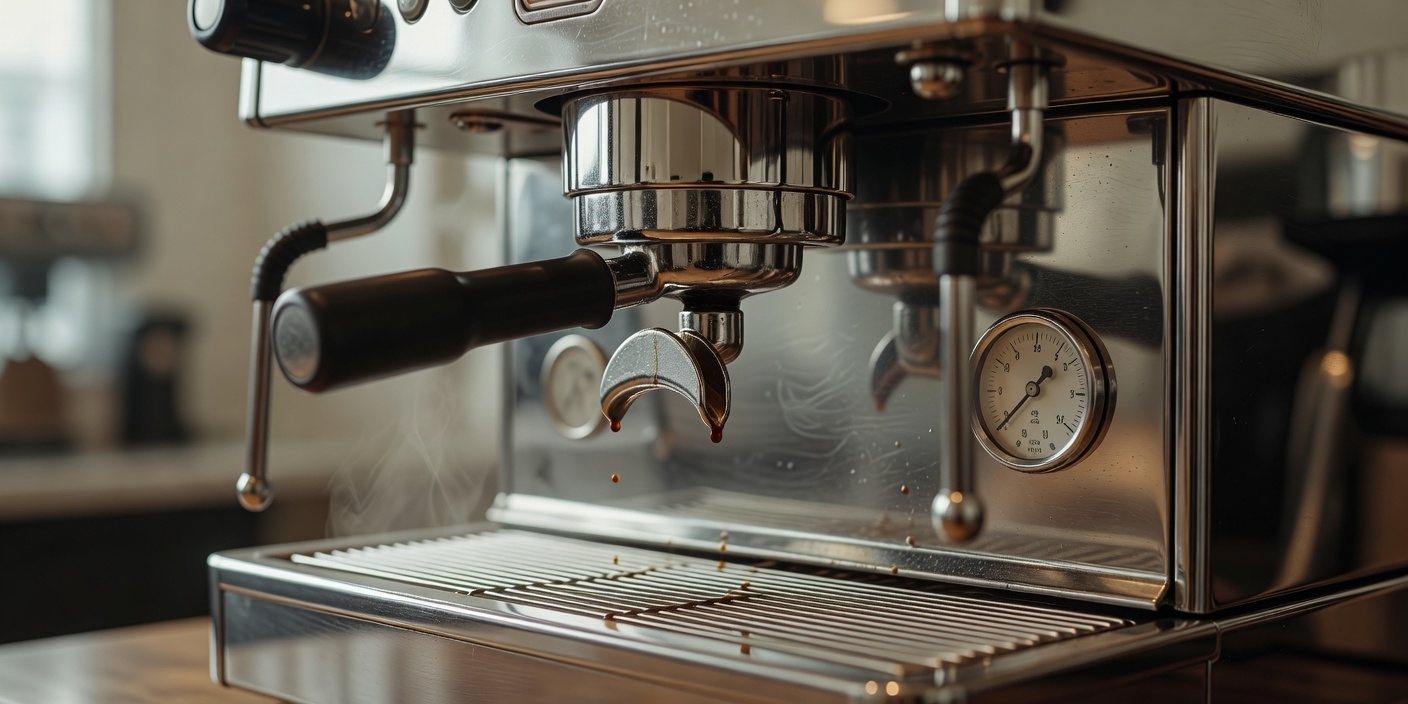
Espresso is a high-pressure extraction method that forces hot water through a compacted puck of finely ground coffee. The result is a concentrated, syrupy beverage topped with crema—a suspension of emulsified coffee oils and carbon dioxide bubbles.
The Anatomy of Extraction
At the core of an espresso machine is its pump and boiler system. Achieving the industry standard of 9 bars of pressure (approximately 130 PSI) requires precise engineering. Vibratory pumps are common in entry-level setups, generating pressure through rapid oscillation. Commercial and high-end prosumer machines utilize rotary vane pumps, which offer quieter operation and more consistent, adjustable pressure curves.
| Component | Function in Extraction | Impact on Flavor |
|---|---|---|
| Group Head (e.g., E61) | Distributes water evenly over the coffee puck. | Maintains thermal stability, preventing sour/bitter notes. |
| Portafilter (58mm) | Holds the coffee basket and locks into the group head. | Wider surface area allows thinner puck, faster extraction. |
| OPV (Over Pressure Valve) | Vents excess pressure past a set point (usually 9 bar). | Prevents channeling and over-extraction caused by high pressure. |
Boiler Architectures Explained
The method a machine uses to heat water determines its capability to brew coffee and steam milk simultaneously.
- Single Boiler (SBDU): Uses one boiler for both brewing and steaming. You must wait for the temperature to rise for steam and drop for brewing.
- Heat Exchanger (HX): A single steam boiler contains a tube passing through it. Brew water runs through this tube, flash-heating as it travels to the group head.
- Dual Boiler: Features two independent boilers—one dedicated to brewing and one for steaming. This allows exact PID temperature control over the brew water without affecting steam pressure.
Mastering these machines involves manipulating dose, yield, and time. By locking in your variables on a precision machine, you transform the chaotic chemistry of coffee beans into a repeatable, liquid science.